How to Protect a House From Foundation Damage and Costly Repairs

A house stays safe when its structure stays steady. Small cracks, sticky doors, and sloped floors often start as minor annoyances, yet they can point to deeper trouble under the home. Foundation damage is one of the most serious problems in home repair because it can affect walls, plumbing, flooring, and roof lines at the same time. Homeowners who learn the warning signs early often spend less money and avoid larger repair work later.

Early Warning Signs Around the Home

Foundation problems rarely appear all at once. A hairline crack above a door may seem harmless, but a crack wider than 1/4 inch deserves a closer look. Windows that worked fine last winter may begin to drag in spring when soil moisture changes. That shift matters.

Walk through the house with a small marble or level and test several rooms. If the marble rolls the same way in more than one area, the floor may have started to slope. You should also look at exterior brick, siding, and trim for stair-step cracks or gaps near window corners. These signs do not always mean the worst, but they should never be ignored for months.

The ground around the home can tell its own story. Soil that pulls away from the slab during a dry spell may leave visible gaps of 2 to 3 inches near the edge. After heavy rain, standing water near the base of the house can add pressure where the soil swells. Both extremes can move a foundation over time.

Repair Options and When to Call for Help

Repair methods depend on the type of foundation and the cause of movement. A concrete slab may need lifting, while a pier and beam home may need shimming, beam repair, or support work under sagging sections. Some homes need crack sealing only, but others need deeper structural correction after years of uneven settlement. One inspection can answer a lot.

When movement keeps getting worse, a local contractor or structural specialist can explain what the house actually needs, and some owners compare estimates from services such as Foundation Repair Services before making a decision. That step helps people understand costs, repair methods, and expected timelines for homes in similar soil conditions. A simple crack repair may take a day, while pier installation or slab lifting can take several days depending on access and weather. Good repair planning saves trouble later.

Ask clear questions before any work begins. Find out how many piers are proposed, where they will be placed, and what kind of warranty comes with the job, because those details matter more than a low number on the first page of an estimate. Homeowners should also ask whether the crew will test drainage issues, since water control and structural repair often need to be handled together for a lasting result.

Moisture Control and Drainage Around the Foundation

Water is one of the biggest forces acting on a foundation. Too little moisture can dry and shrink clay-heavy soil, while too much can make that same soil expand against footings and slab edges. Many repair bills start outside the house, not inside it. Drainage fixes are often cheaper than structural repairs.

Gutters should carry water well away from the house, and downspouts should end at least 5 feet from the wall if space allows. A yard should slope away from the home at about 6 inches over the first 10 feet, which helps surface water move off instead of pooling near the base. Short downspouts, clogged gutters, and flower beds piled too high against siding can all trap moisture in the wrong place. Small changes outside can protect large parts of the home.

Homeowners in dry climates sometimes make the opposite mistake by letting the soil bake and crack for weeks. Consistent watering near the foundation, done lightly and evenly, can reduce sudden shrinkage in some yards with expansive soil. The goal is balance, not soaking the ground. Steady conditions help.

Interior Repairs That Support Long-Term Stability

After structural work is complete, interior damage often still needs attention. Drywall cracks may need mesh tape and joint compound, doors may need hinge adjustment, and baseboards may need to be reset after movement has been corrected. These jobs are not just cosmetic because they restore normal function in daily life. A room feels different when the door finally closes right.

Plumbing should be checked after major settlement or lifting work, especially in slab homes where drain lines may shift. Even a slight change can create a slow leak under the floor, and that hidden water can start the cycle all over again. Some contractors recommend a hydrostatic test or camera inspection when warning signs appear after repair. That extra step can prevent a second round of damage months later.

Keep a simple repair record for the house. Write down crack locations, dates, rainfall patterns, and any door or window changes, then take photos from the same angle every 3 months so movement is easier to compare over time. This kind of record gives homeowners useful evidence if a problem returns and helps repair crews see patterns that are easy to miss during a single visit.

Simple Habits That Reduce Future Risk

Regular home care lowers the chance of major structural trouble. Tree roots should be watched when large trees stand close to the house, since a thirsty oak can draw a surprising amount of water from surrounding soil during hot months. Sprinkler heads should never spray directly against the foundation wall or slab edge. Little habits matter.

It also helps to inspect the house at the same time each season. A quick walk around the exterior in March, June, September, and December can reveal fresh cracks, drainage changes, or loose caulk before repair costs rise. Most people spend less than 30 minutes on this check, yet that half hour can catch trouble early enough to avoid a much larger project. Preventive care is usually cheaper than emergency repair.

A strong home depends on attention to the ground beneath it, the water around it, and the warning signs inside it. Careful inspections, steady drainage, and timely repair decisions can keep a house level and usable for many years. When owners act early, they protect both daily comfort and the long-term value of the property.
What I’ve Learned After Years of Working With IPTV Canada Services

After more than a decade working as a streaming technology consultant for households and small media setups, I’ve spent a surprising amount of time helping people choose and configure IPTV Canada services. The phrase IPTV Canada gets thrown around a lot online, but in practical terms it simply refers to internet-based television services that deliver Canadian and international channels through broadband instead of traditional cable or satellite. In my experience, the biggest reason people start exploring IPTV Canada options is frustration with the rising cost and limited flexibility of conventional TV packages.

Best IPTV Subscription Canada (2026 Guide) - On Pattison | THE Philly Sports Website

My involvement with IPTV systems began years ago when a client asked me to help connect an internet TV service to a newly installed smart home setup. At the time, the homeowner had just cancelled a cable subscription that had steadily climbed in price while offering fewer channels they actually watched. They wanted something simpler that worked on multiple devices around the house. I remember spending an afternoon configuring their streaming box and testing channel stability across several TVs. What surprised them most was how quickly the system delivered live sports and international programming once everything was properly configured.

Since then, I’ve helped dozens of people set up IPTV services, and I’ve noticed the same pattern repeating. Most newcomers assume the process is complicated, but in reality the biggest challenge is choosing a reliable provider. A good IPTV Canada service isn’t just about having thousands of channels listed in a menu. Stability, server capacity, and stream quality matter far more than the raw number of channels.

One experience that stuck with me involved a small restaurant owner who wanted IPTV installed for customers watching hockey games. He had previously subscribed to a low-cost service he found through an online forum. On paper it looked impressive, offering countless channels and sports packages. In practice, the stream buffered constantly during busy evenings. After switching to a more reliable provider and optimizing his internet connection, the difference was obvious. The games played smoothly, and customers stayed longer because the viewing experience actually worked.

Internet speed is another detail many people underestimate. I’ve visited homes where someone insisted their IPTV service was terrible, only to discover the issue was an overloaded Wi-Fi network. Once we switched the streaming device to a wired connection, the channels played flawlessly. In several cases, the IPTV provider wasn’t the problem at all; the home network simply wasn’t built to handle consistent HD streaming.

Another lesson I’ve learned is that device compatibility makes a huge difference in daily usability. A client last spring had installed IPTV on an older smart TV that struggled with newer streaming apps. The interface lagged, channels took forever to load, and they were ready to cancel the service entirely. I recommended switching to a dedicated streaming device instead of relying on the TV’s built-in software. Within minutes of testing the new setup, the interface was smoother and channel switching was significantly faster. Sometimes the hardware matters just as much as the service itself.

Over the years I’ve also noticed that IPTV Canada services appeal to viewers who want access to international content. Canada’s population is incredibly diverse, and traditional cable packages rarely cover the variety of languages and regional channels people want. IPTV providers often solve that gap by offering programming from Europe, South Asia, the Middle East, and beyond. I’ve helped families set up channel lists so grandparents could watch programming from their home country while the rest of the household enjoyed sports and entertainment channels.

Of course, not every IPTV provider delivers the same experience. I’ve seen services disappear overnight or become unreliable after a few months. That’s why I usually advise people to start with a short subscription period before committing long-term. Testing the service during peak viewing hours—especially during live sports—is the quickest way to determine whether the servers can handle real demand.

What I appreciate most about the growth of IPTV Canada options is the flexibility it offers viewers. Instead of being tied to rigid cable packages, people can customize their viewing around what they actually watch. From a technical standpoint, the systems have become far easier to install and manage than they were years ago when I first started configuring them.

After working with IPTV setups in homes, offices, and even small businesses, my perspective is simple: a well-chosen IPTV service paired with a stable internet connection can provide a viewing experience that rivals traditional television. The technology itself isn’t complicated anymore, but choosing the right provider and properly setting up the network still makes all the difference.

Why Luxury Vinyl Plank Flooring Keeps Gaining Attention

Luxury vinyl plank, often called LVP, has become a common choice for homes that need a hard-wearing floor with a wood-like look. People like it because it handles busy days, spills, and foot traffic better than many older flooring options. It also comes in many colors, plank sizes, and surface textures, so rooms can feel warm without the cost of solid hardwood. For families, pet owners, and landlords, that mix of style and practical use matters.

What Makes LVP Different From Other Floors

LVP is built in layers, and each layer has a job. A printed design layer gives the plank its wood look, while a clear wear layer helps guard against scratches and stains from daily use. Many products come with a wear layer around 12 mil or 20 mil, and that number often affects how well the floor holds up over time. The result is a surface that aims to look natural while standing up to real life.

It feels different underfoot than tile. Tile can feel cold at 7 a.m. on a winter morning, but LVP tends to feel softer and warmer in many homes. Some planks also include an attached pad, which can help reduce noise in upstairs rooms or condos. That small detail can shape the comfort of a whole space.

Wood and laminate still have their place, yet LVP fills a gap that many buyers notice right away. It often resists water better than standard laminate, and it usually asks for less upkeep than traditional hardwood. A kitchen, laundry room, or entry area can benefit from that kind of surface because those rooms deal with more mess than a quiet guest bedroom. That practical side is one reason the category has grown so quickly in the last 10 years.

Why Homeowners Look at Style, Price, and Local Help

Many shoppers start with color first. They may want light oak tones for a bright living room, deep brown planks for a study, or gray shades for a modern kitchen with black hardware. Plank widths can range from about 5 inches to over 9 inches, and wider boards often change the look of a room in a big way. Small samples help, but a larger display often makes decisions easier.

Some buyers prefer to compare options in person through a local flooring resource such as Floors2Day LVP Flooring. Seeing the surface up close can reveal details that photos miss, like grain depth, edge style, and how much shine the finish has under indoor lighting. A store visit can also answer basic questions about installation time, wear layer thickness, and which planks fit a family with two dogs or a rental unit with heavy traffic. That kind of help often saves money by narrowing the choices before an order is placed.

Price matters too, and LVP covers a wide range. Entry-level products may work well in a guest room, while thicker planks with stronger cores may make more sense in a main hallway that sees hundreds of steps each day. Buyers often look at the total project cost instead of the box price alone, because trim pieces, underlayment, and labor can shift the final number. A good plan at the start can prevent surprises later.

How Installation Affects the Final Result

Even a strong floor can look poor if it is installed on an uneven base. A subfloor with dips, cracks, or leftover debris may cause planks to flex, shift, or separate over time. Many installers check flatness over a span of 6 to 10 feet before laying the first row. That step sounds basic. It matters a lot.

Click-lock LVP is popular because it can move quickly across a room. In a simple 200-square-foot bedroom, a skilled crew may finish much faster than a hardwood install, though prep time still depends on the condition of the subfloor. Door frames, floor vents, and tight corners take patience, and rushed cuts can make a new floor look sloppy on day one. Clean edges are easy to notice.

Homeowners also need to think about expansion gaps, transitions, and the direction of the planks. Running boards parallel to the longest wall often creates a calmer look, but room shape and natural light can change that choice. In open floor plans, carrying one LVP style through several connected spaces can make 3 areas feel larger than they are. Good installation is part planning and part craft.

Daily Care, Durability, and Long-Term Value

LVP is often chosen because regular care is simple. Dust, pet hair, and grit should still be swept away, since tiny particles can dull the surface over months of use. Most homes only need a soft broom, a vacuum safe for hard floors, and a damp mop with a cleaner made for vinyl. Harsh polish is usually unnecessary.

That does not mean the floor is impossible to damage. Heavy furniture without pads can leave marks, and a dragged metal chair may scratch the wear layer in seconds. Sunlight can also affect color over time in rooms with large south-facing windows, especially if one rug stays in place for years. Small habits protect the floor.

For many households, the value comes from fewer worries during normal life. Muddy shoes after rain, a spilled water bowl, or a dropped snack in the family room can usually be handled without panic. This matters more in homes with children, pets, or guests coming in and out throughout the week, because the floor needs to support daily living instead of demanding careful treatment at every moment. That balance is a big part of LVP’s appeal.

LVP flooring continues to attract attention because it combines a wood-inspired look with practical performance in rooms that see constant use. Buyers still need to compare quality, surface style, and installation skill, yet the category offers a clear path for many homes that want comfort, durability, and a cleaner look without taking on extreme upkeep.

Choosing the Right Professionals for Your Flooring Project

Floors shape how a space looks and feels every day. From hardwood to tile, each surface needs careful installation to last for years. Many property owners turn to skilled workers to avoid costly mistakes. This is where experienced flooring professionals play a key role.

What Floor Contractors Actually Do

Floor contractors handle the planning, preparation, and installation of many flooring types. They measure rooms, remove old materials, and ensure the base is level before any new surface goes down. A small error at this stage can cause uneven wear later. Good contractors pay attention to detail.

These professionals work with materials like hardwood, laminate, vinyl, and ceramic tile. Each option requires a different approach and set of tools. For example, installing hardwood may involve precise cutting and finishing, while tile requires careful spacing and grout work. Every step matters.

They also guide clients through choices. Many homeowners feel overwhelmed by the range of styles and costs. A contractor can explain durability, maintenance needs, and pricing in clear terms. Some even help estimate how long a project will take, which can range from two days for a small room to over a week for larger spaces.

How to Choose the Best Flooring Service

Picking the right service provider takes time and research. Reviews, referrals, and past projects give insight into quality. Some companies, such as floor contractors, offer both materials and installation, making the process easier for clients. It helps to compare at least three options before making a decision.

Ask questions during consultations. How many years have they worked in flooring? Do they provide written estimates and timelines? Clear answers build trust and reduce confusion later. A contractor with over 10 years of experience often brings more confidence to complex jobs.

Cost matters, but it should not be the only factor. A very low quote may mean lower quality materials or rushed work. Spending a bit more upfront can prevent repairs later. Cheap work rarely lasts.

Look for proper licensing and insurance. These details protect both the homeowner and the contractor if something goes wrong. A professional team will always be open about these credentials and willing to share proof when asked.

Popular Flooring Materials and Their Benefits

Different flooring types suit different needs. Hardwood remains a favorite because of its natural look and long lifespan. When maintained well, it can last 20 to 30 years. It also adds value to homes.

Laminate offers a more affordable option. It mimics wood but costs less and resists scratches better. Families with pets often choose laminate for this reason. It is easy to clean.

Tile flooring works well in kitchens and bathrooms. It handles moisture and heat without damage. Some tiles can last decades if installed properly, making them a strong long-term investment for high-use areas.

Vinyl flooring has improved a lot in recent years. Modern designs look realistic and feel comfortable underfoot. It is also water-resistant, which makes it a good choice for basements or laundry rooms where spills may happen.

Here are a few quick points about material choices:

– Hardwood gives a classic look and strong resale value.
– Laminate is budget-friendly and durable.
– Tile handles moisture and heavy use well.
– Vinyl offers flexibility and comfort.

Understanding the Installation Process

The installation process begins with preparation. Old flooring is removed, and the subfloor is inspected for damage or uneven spots. This stage can take several hours depending on the room size. Proper preparation prevents future problems.

Next comes the actual installation. Contractors cut materials to fit the space and secure them carefully. Precision matters here because even small gaps can grow over time and affect the look and stability of the floor.

After installation, finishing touches are added. This may include sealing, polishing, or applying protective coatings depending on the material. These steps improve durability and appearance. A rushed finish can reduce the lifespan of the flooring.

Clean-up is the final step. A good contractor leaves the area tidy and ready for use. Some projects allow light foot traffic within 24 hours, while others require longer curing times. Always follow the contractor’s advice before using the space fully.

Maintaining Your Floors for Long-Term Value

Proper care keeps floors looking new. Simple habits like sweeping daily and cleaning spills quickly make a big difference. Dirt and moisture can damage surfaces over time if ignored.

Different materials need different care routines. Hardwood floors may require polishing every few months, while tile needs grout cleaning to prevent stains. Using the wrong cleaning product can cause damage, so it is best to follow manufacturer guidelines.

Protective measures also help extend lifespan. Placing rugs in high-traffic areas reduces wear. Furniture pads prevent scratches. Small actions matter a lot over years of use.

Regular inspections are useful. Look for signs like cracks, loose tiles, or fading color. Addressing these issues early can save money. Repairs cost less than full replacements.

Flooring projects involve planning, skill, and attention to detail from start to finish. Choosing experienced professionals and maintaining the results carefully helps protect your investment while keeping your space comfortable and visually appealing for many years ahead.

Why a Strong Headshot in Phoenix Matters More Than Most People Think

As a photographer who has spent more than a decade working with professionals, entrepreneurs, and corporate teams, I can tell you that people usually come to a headshots phoenix az session thinking they just need a better photo. In my experience, that is rarely the full story. What they really need is an image that feels credible, current, and accurate to who they are now. A headshot does not have to be dramatic to be effective, but it does need to feel intentional.

One of the biggest mistakes I see is people treating a headshot like a formality instead of a professional tool. A client I photographed last spring had been using the same profile image for years. It was not terrible, but it did not reflect where she was in her career anymore. She had moved into a leadership role, was speaking publicly more often, and needed a photo that matched the level of trust and polish she was already bringing into the room. Once we worked through wardrobe, expression, and a cleaner overall look, the difference was immediate. The final image did not make her look like a different person. It made her look like herself on a very good day, which is exactly what I think a strong headshot should do.

I have found that many people in Phoenix also underestimate how much environment and light affect the final result. The sun here is beautiful, but it is not always forgiving. Harsh midday light can make even confident, camera-ready people look tense or overexposed if the session is not handled well. I remember photographing a business owner who arrived convinced she was “bad at photos.” In reality, she had just had a few past experiences where the posing felt stiff and the lighting was unflattering. Once I adjusted the setup, slowed the pace, and gave her more natural direction, everything changed. Within a short time, she stopped worrying about how to smile and started focusing on how she wanted to come across. That shift is usually where the best images happen.

Another common issue is overthinking what a professional headshot is supposed to look like. Some people arrive expecting something overly serious because they think professional means formal to the point of being distant. Others go the opposite direction and want a casual image that does not really fit how they show up in business. I worked with a client not long ago who needed a new headshot for both corporate use and personal branding. He initially leaned toward a very relaxed look that felt disconnected from his role. We refined the approach so the final image still felt approachable, but with more clarity and presence. That balance matters.

My opinion is that the best headshots are the ones that feel believable. I do not think a strong image should be overly retouched or so stylized that it stops feeling like the person. A good headshot should help someone recognize you when you walk into the meeting, not make them wonder whether they are talking to the right person. That may sound simple, but it takes experience to get that balance right.

In Phoenix, where professionals across industries are building personal brands, updating company profiles, and competing for attention online, a thoughtful headshot carries more weight than many people expect. It is often the first impression before a call, a proposal, a meeting, or an introduction. The right image does not just make you look polished. It helps people feel more confident about reaching out in the first place.

Why I Often Tell First-Time Event Organizers to Start With a 100-Pack of Wristbands

After more than ten years working as an event operations manager for community festivals, school fundraisers, and small venue concerts across Canada, I’ve learned that many organizers overcomplicate their entry systems. Digital check-ins, printed badges, ticket scanners—those tools have their place. But for smaller events, the most reliable solution is often the simplest one. When new organizers ask for advice, I usually suggest they buy 100-pack wristbands as a starting point. It’s a practical way to manage attendance without adding unnecessary logistics.

I didn’t always think this way. Early in my career I was convinced every event needed a “professional” ticketing system. It took a few chaotic entry lines to realize that simple tools can outperform complex setups, especially when volunteers are involved.

A Small Community Event That Taught Me a Lesson

One of my early projects was helping coordinate a small neighborhood fundraiser at a community park. The organizers expected maybe 70 or 80 guests, so we skipped wristbands entirely. Instead, we had a sign-in table where volunteers checked people off a printed list.

For the first hour, everything went smoothly. Then the crowd grew.

Families arrived in groups, kids ran in ahead of their parents, and friends invited neighbors who hadn’t pre-registered. Volunteers quickly lost track of who had checked in and who hadn’t. Vendors started asking whether certain guests had paid for entry, and the volunteers didn’t always know the answer.

The following year I showed up with a simple pack of wristbands. Every guest received one when they arrived. That small change eliminated the confusion almost immediately.

Why a 100-Pack Often Fits Real-World Events

Over the years I’ve worked on everything from street festivals to private charity dinners, and I’ve noticed that many local events naturally fall within the range of about 50 to 120 attendees.

A 100-pack of wristbands covers that scale nicely.

I helped organize a craft fair last spring that expected around 60 visitors over the course of the afternoon. We used a 100-pack at the entrance table. By the end of the day we had distributed nearly all of them, and the organizers gained a clearer picture of their turnout without needing a complicated ticket system.

It’s a small operational detail, but it helps.

Durability Is More Important Than People Expect

One thing people often misunderstand about Tyvek wristbands is that they assume they’re flimsy because they resemble paper. In practice, they’re surprisingly durable.

I’ve seen them survive outdoor food festivals where people were dealing with sunscreen, spilled drinks, and unpredictable weather. At a charity walk I helped coordinate a few seasons ago, participants wore their bands throughout several hours of activity and they held up without tearing.

The adhesive closure is another advantage. Once secured, the band usually can’t be removed without damaging it. That makes it much harder for guests to pass wristbands to someone waiting outside the event area.

For organizers trying to manage access with a small volunteer team, that reliability is valuable.

Mistakes I See New Organizers Make

After working with many first-time planners, I’ve noticed a few recurring problems.

One is assuming wristbands aren’t necessary because the event is “too small.” Even with a few dozen guests, volunteers benefit from a quick visual system that confirms participation.

Another issue is letting guests enter from multiple points without distributing wristbands consistently. If some people receive bands and others don’t, the system becomes confusing for everyone involved.

I also recommend applying the wristbands snugly. If they’re left loose enough to slide off easily, guests may remove them and hand them to someone else.

A Simple Tool That Keeps Things Organized

The longer I’ve worked in event operations, the more I appreciate solutions that work quietly in the background. Wristbands don’t require technology, training sessions, or internet access. Volunteers understand them instantly.

For smaller events especially, a simple 100-pack provides structure without adding complexity.

Guests check in, receive a wristband, and move on to enjoy the event. Volunteers can confirm access with a quick glance, and organizers gain a clearer sense of attendance.


Enhancing Homes in Theale with Quality Driveways

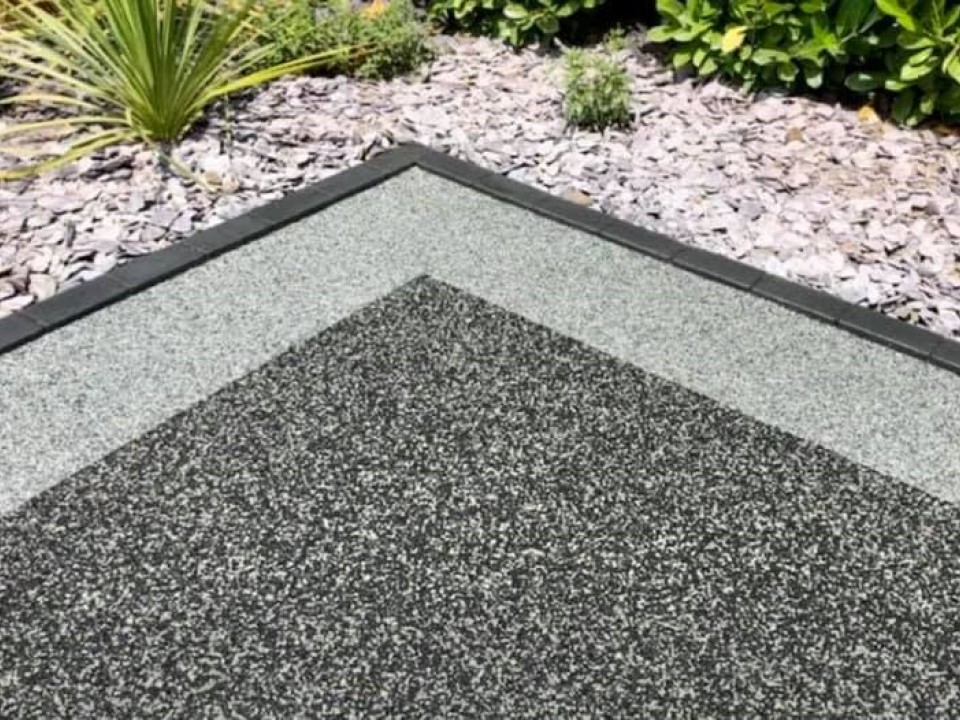
As someone who has been installing and maintaining driveways across West Berkshire for over a decade, I’ve seen firsthand how the right surface can completely transform driveways theale, with its mix of traditional cottages and modern housing, presents a unique challenge—and opportunity—for anyone considering a new driveway. Over the years, I’ve worked on a wide range of projects here, from simple concrete renovations to full resin-bound installations, and each taught me lessons that only experience can provide.

Theale resin driveway specialists - PolyBound Home Improvements

I first encountered a particularly tricky Theale driveway a few years back. The homeowners had a sloped front garden leading down to their garage, and the previous tarmac surface had cracked in multiple places. Water pooled near the front door after heavy rain, creating a daily nuisance. After assessing the situation, I suggested a resin-bound solution over a properly laid base. It wasn’t the cheapest option, but the homeowners were more concerned with durability and aesthetics. After the job was completed, they were thrilled—no more puddles, and the smooth, modern finish lifted the curb appeal significantly. That experience reinforced for me how much planning and preparation matter before laying any new surface.

Another common scenario I’ve seen in Theale involves older properties where driveways have settled unevenly over decades. Last spring, I visited a home near the village centre where the existing brick pavers had shifted and created tripping hazards. The client initially wanted a simple patch-up, but I explained that the underlying sub-base was failing. We opted to remove the old bricks and install a permeable block paving system, carefully leveling the ground and ensuring proper drainage. By the end of the week, the driveway not only looked cohesive with the property but also handled the heavy rainfall that came soon after without any pooling. That project reminded me that sometimes a “quick fix” isn’t worth it; investing in a solid foundation pays off in the long term.

From my professional perspective, choosing the right driveway material in Theale depends on both lifestyle and local conditions. Gravel works well in some areas, especially where drainage is a concern, but it can require constant maintenance and tends to scatter onto paths and flowerbeds. Concrete is more durable but can look plain unless finished carefully. Resin surfaces offer a modern look and excellent drainage, but the installation process is more involved. I’ve learned that homeowners often underestimate how much preparation and precise mixing matter—cutting corners can lead to cracking or uneven surfaces within a year or two.

I also advise clients to consider access and practical use. One client near the A4 wanted a driveway that could withstand two SUVs and a delivery van. After reviewing the ground and sub-base, we went with reinforced block paving instead of resin. Even though resin could have worked visually, the heavier vehicles would have risked long-term deformation. The client appreciated the practical advice, and the driveway has held up without any issues.

Aesthetic choices also play a big role in Theale. I’ve worked with clients who wanted colours that complemented their brickwork or blended subtly with garden features. Matching tones carefully can make a big difference, especially in neighbourhoods where homes sit close together. One homeowner on Church Road chose a mix of warm beige and soft grey stones for a resin surface, which tied in beautifully with their sandstone walls and cedar fencing. Small details like that often get overlooked, but they elevate the final result.

Over the years, I’ve realized that driveways are about more than just parking spaces. They are a practical necessity, a visual statement, and, in some cases, a safety consideration. In Theale, with its mix of old and new homes, investing in a well-planned driveway pays dividends. From my experience, taking the time to assess the sub-base, choose the right materials, and anticipate local weather and traffic patterns ensures a driveway that will last and continue to enhance the property for years to come.

Why Consistent Car Repair and Maintenance Matters More Than Most Drivers Realize

After more than a decade working as an ASE-certified automotive technician here in Tulsa, I’ve seen a clear pattern: the vehicles that receive steady maintenance rarely suffer catastrophic failures. The ones that only come in when something breaks usually end up costing their owners far more in the long run. That’s why I often point drivers toward dependable options like Car Repair & Maintenance Service in Tulsa when they ask where to start.

Interparts of Tulsa In Tulsa OK | AC/Heater Repair Services

I’ve spent years in both traditional shops and mobile service roles, and the lesson is the same in either setting — preventive care isn’t an upsell. It’s protection.

The Oil Change That Saved an Engine

A customer last spring scheduled what he described as “just a basic oil change.” He admitted he had gone much longer than recommended between services because the vehicle “felt fine.” When I drained the oil, it was thick and noticeably dark, and the level was lower than it should have been.

During the inspection, I caught early signs of a valve cover gasket leak and slight sludge buildup. Nothing catastrophic yet — but it was heading there. We addressed the gasket and reset his maintenance schedule. Had he waited another few months, he might have been looking at serious internal engine wear. I’ve seen engines ruined over something as simple as neglected oil service.

In my experience, routine maintenance is far cheaper than major engine repair.

Cooling Systems and Tulsa Heat

Tulsa summers are hard on vehicles. I can’t count how many overheating calls I’ve handled once temperatures climb. One afternoon, a sedan was brought to me after repeatedly running hot in traffic. The owner had already replaced the thermostat himself, thinking that would solve it.

The real issue was a partially clogged radiator combined with an aging water pump that wasn’t circulating coolant efficiently. Replacing those components restored proper cooling. Had he kept driving it overheated, warped cylinder heads wouldn’t have been out of the question — and that repair can easily climb into several thousand dollars.

Cooling system maintenance often gets overlooked because drivers don’t think about coolant the way they think about oil. But flushing old coolant and inspecting hoses and pumps regularly prevents the kind of breakdowns that happen at the worst possible time.

Brake Service: Small Delays, Bigger Bills

Brake maintenance is another area where I’ve seen preventable damage. A family SUV came in not long ago with a pulsating brake pedal. They had noticed vibration for weeks but kept putting it off.

When I inspected it, the rotors were significantly warped and the pads unevenly worn. What could have been a straightforward pad replacement earlier had evolved into a more involved job. I always tell customers that brakes communicate with noise and vibration before failure. Paying attention to those signals makes a difference.

Maintenance Isn’t Just About Parts

Over the years, I’ve developed strong opinions about how maintenance should be approached. It’s not about replacing everything on a rigid schedule. It’s about inspecting intelligently and understanding how components wear together.

For example, during a routine service, I always check belt tension, look for early fluid seepage, inspect suspension bushings, and test battery health. These small checks often reveal developing issues long before they strand someone in a parking lot.

I’ve found that drivers who stick to consistent maintenance rarely face surprise breakdowns. Their vehicles run smoother, retain value longer, and cost less overall to own.

After twelve years turning wrenches in Tulsa, I can say confidently that steady car repair and maintenance isn’t about being overly cautious. It’s about being practical. Vehicles are machines with moving parts that wear over time. Taking care of them regularly is simply the smartest way to avoid the stress and expense of major repairs later.